
Rehearsal ≠ Practice
Stop wasting rehearsal on what should've been practiced.
Your students shouldn't be learning fundamentals during rehearsal. Qlef turns student preparation into documented progress — so you spend more rehearsal making music, not catching students up.
Build rehearsal-ready ensembles without adding more work for directors.
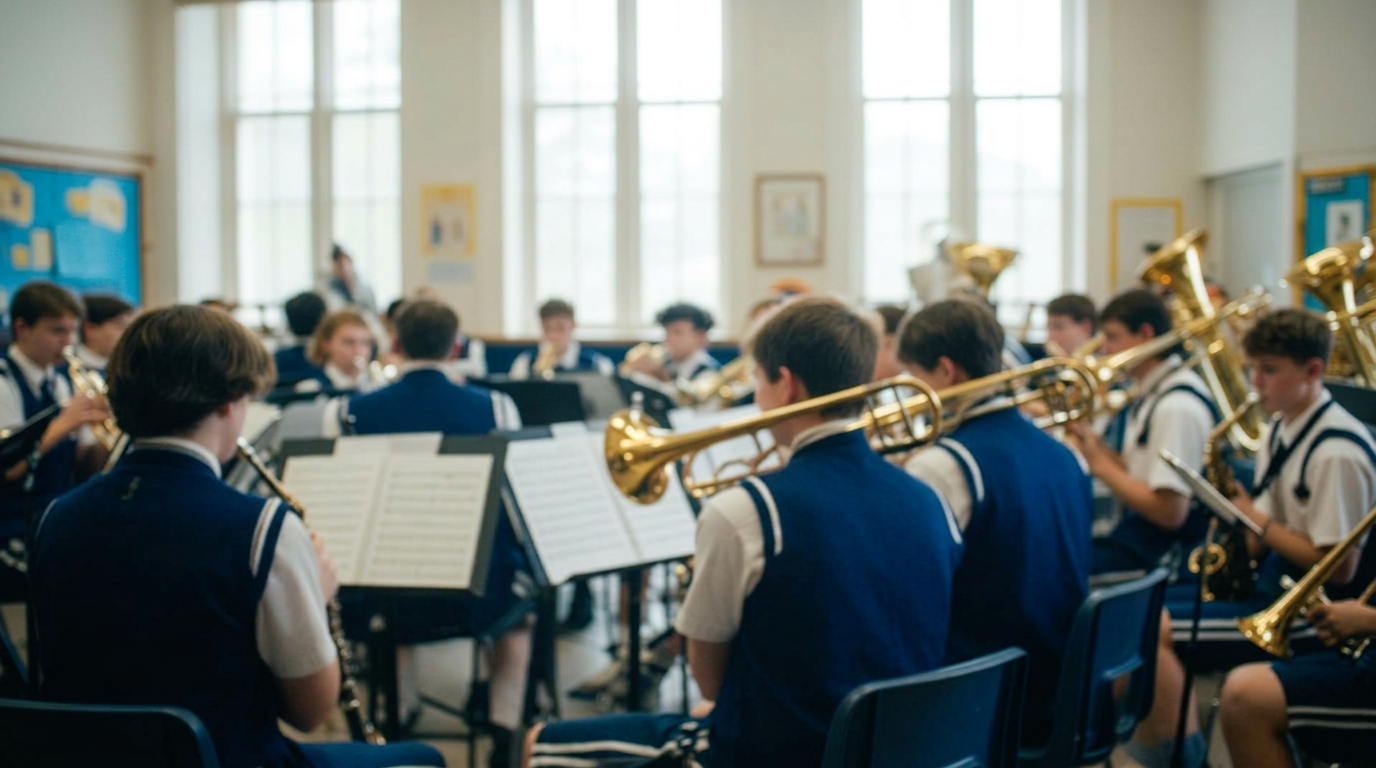
Updated 6 min ago · 38 submissions this week
The Problem
Too much rehearsal time gets wasted.
You already know what to teach. The hard part is everything that happens — or doesn't happen — between rehearsals.
- 01
Students show up underprepared, week after week.
- 02
The same corrections come up rehearsal after rehearsal.
- 03
You know what to teach — but not what happened at home.
- 04
Progress feels inconsistent and hard to point to.
- 05
Too much rehearsal turns into catch-up.
- 06
There's no clean way to hold students accountable.
The Reframe
You're not trying to teach differently.
You already know what to teach. Qlef helps your students show up more rehearsal-ready by turning preparation into documented progress.
You do the teaching.
We handle the accountability and visibility.
How It Works
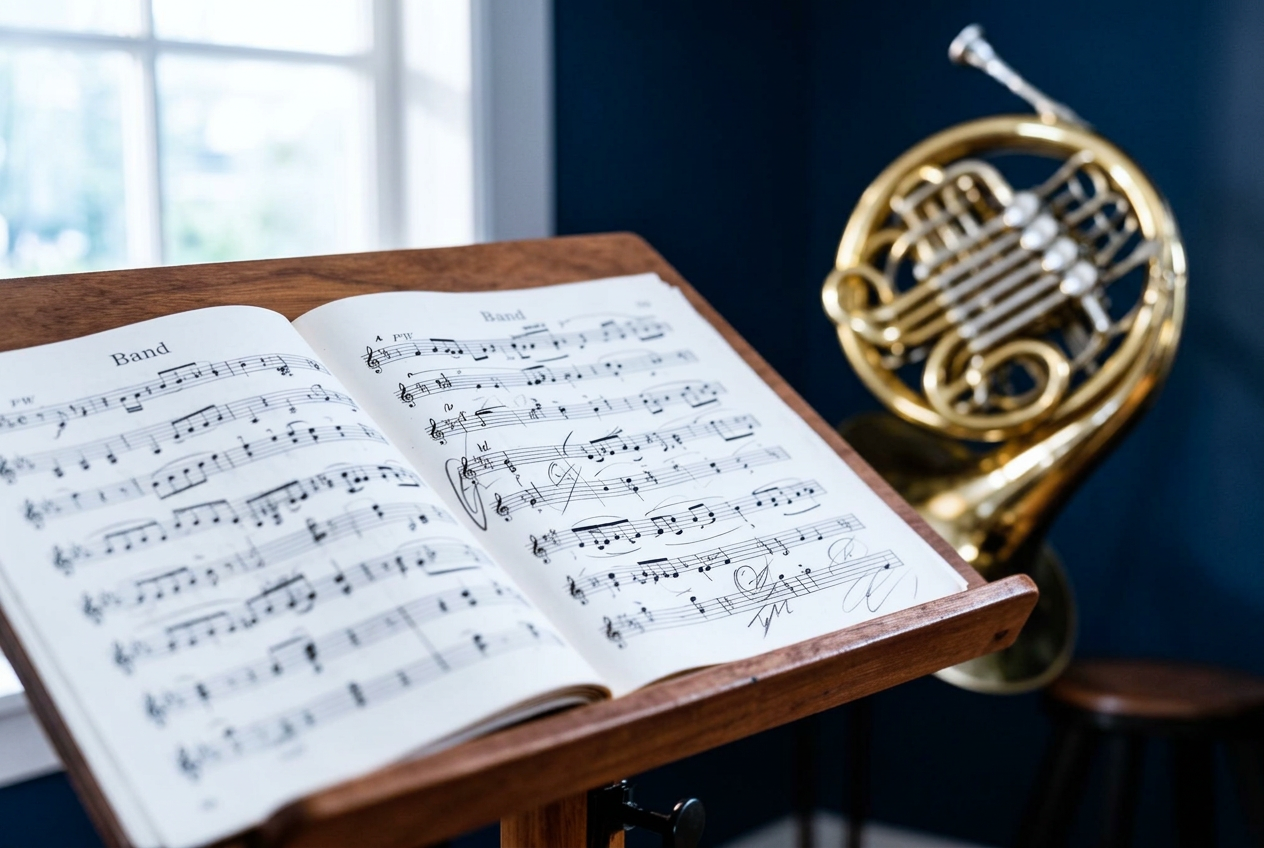
Four steps. Built around how directors already work.
- 01
Assign music
Push parts, etudes, or excerpts to students — by section or individually.
- 02
Students upload video reps
Phone on a stand. A few takes. Done at home, on their schedule.
- 03
Automated tracking + staff review
See who submitted at a glance. Your staff listens, section by section.
- 04
Walk into rehearsal ready
Know who's prepared, where to focus, and what to skip — before downbeat.
What You Get
Tools built for directors, not software buyers.
Student Accountability
Track preparation without chasing students or parents.
Staff Review Queue
Route each section's videos to the staff who know that instrument.
Progress Tracking
See student, section, and ensemble growth over time.
Teacher Feedback Tools
Optional written, audio, or video feedback — when you want it.
Ensemble Readiness
Spot where rehearsals are likely to stall — before downbeat.
Expert Reviews
Optional feedback from experienced music educators on our bench.
The Calendar
Get to the real rehearsal sooner.
Most bands are still learning notes when they should be shaping the show, and the closer always gets the fewest reps. Qlef works backward from your first performance and turns it into weekly targets, so the whole show is playable weeks earlier.
- 01
Pick your show day.
Set the date you need to be ready. Qlef counts backward from there.
- 02
Students get weekly targets.
Every piece is chunked into assignments students can see on their phone.
- 03
Know who's behind by Sunday.
Spot the gaps before Monday, not halfway through rehearsal.
- 04
Spend ensemble time on the ensemble.
Balance, blend, and the closer. Not catch-up.
Fair Questions
The two things directors ask first.
Your Time
You won't watch 100 videos a week.
Submission status shows you who did the work without watching a thing. When you do want ears on it, route percussion to your percussion staff and brass to your brass tech, even staff without school accounts.
- See who submitted at a glance
- Split review across your staff
- Spot-check the ones that matter
Human Ears
No algorithm grading your drumline.
Automated scoring can't hear sticking, phrasing, or a student playing the right notes for the wrong reasons. Qlef automates the bookkeeping and leaves the listening to people who know what good sounds like.
- Your actual show music, not random exercises
- Metronome built into the recorder
- Feedback from real teachers
Why It Works
Practice isn't the goal.
Rehearsal readiness is.
Accountability creates reps.
When preparation is visible, students show up having actually done it.
Documented progress creates visibility.
You stop guessing what happened at home — and start seeing it.
Preparation improves rehearsal.
Less catch-up. More music. Better ensembles.
Outside Ears
A judge in your living room, every week.
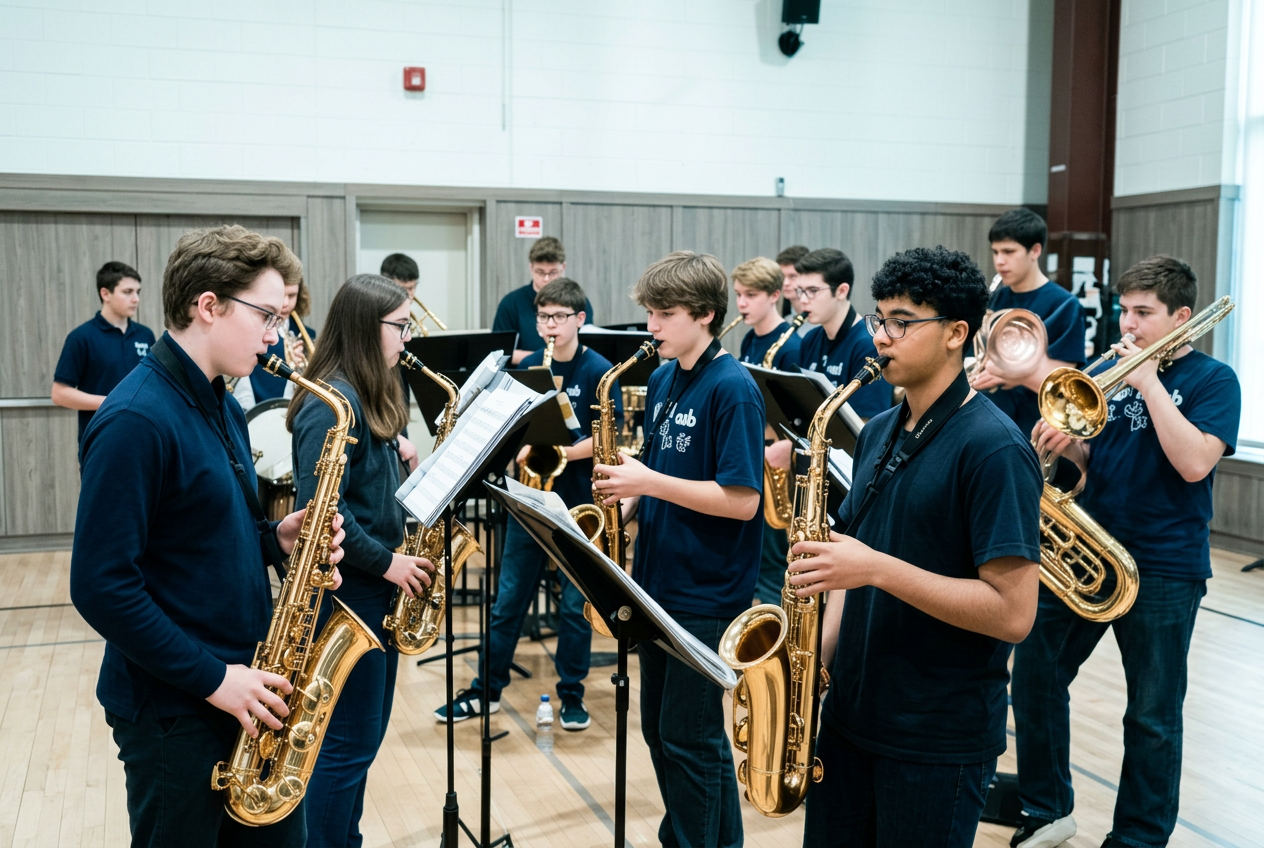
You hear your band every day, which is exactly why it's hard to hear it. Upload a run-through and a vetted clinician sends time-coded feedback before your next rehearsal. Same reviewer, all season long.
The same ears all season.
Your clinician sees week three and week nine, so feedback builds on itself instead of contradicting last week's judge.
Back before rehearsal.
Feedback lands in time to change what you teach next, not after the moment has passed.
Fresh perspective, your system.
Vetted clinicians work within your technique and vocabulary. They're there to listen, not rewrite your program.
The Guarantee
If students consistently submit their assigned work and your ensemble isn't measurably more rehearsal-ready in 90 days — we'll refund everything and keep helping anyway.
We only win when your ensemble wins. That means we put the risk on us, not on a director who's already stretched thin.
Rehearsal ≠ Practice
Build a more rehearsal-ready ensemble.
Get a personalized rehearsal-readiness strategy built for your program — your ensemble, your students, your week.